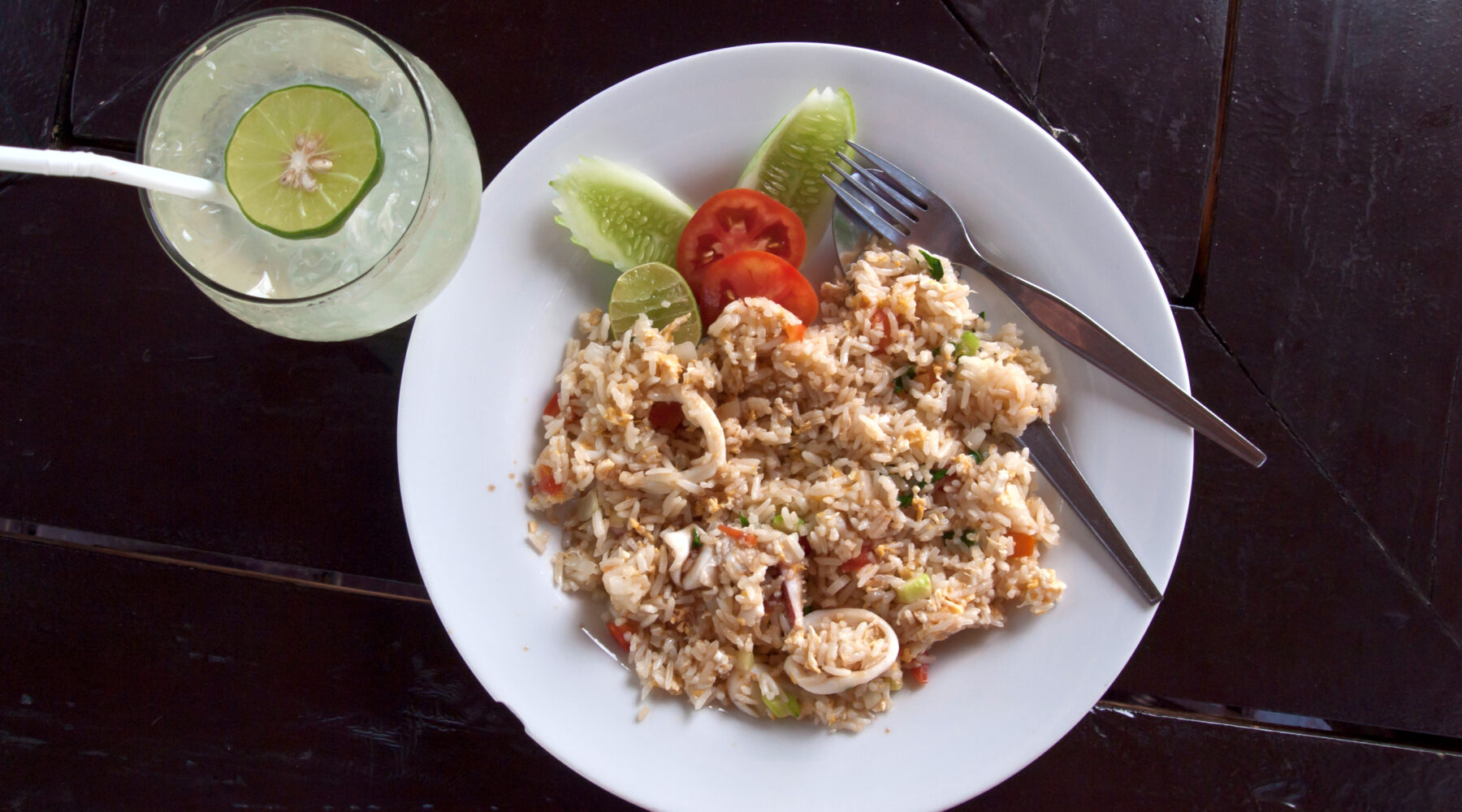
How to eat street food and stay well
The advice that actually correlates with risk — and the widely repeated rules that do not.
touriza · September 4, 2026 · 1 min read
The single best predictor of a safe street meal is turnover. A stall serving a queue is cooking continuously and storing nothing; a quiet stall with a full display has food that has been sitting.
Heat is the second factor. Anything that arrives in front of you above 70°C and was cooked while you watched carries very little risk, whatever the surroundings look like.
The rules that matter less than their reputation: bottled water everywhere regardless of local supply quality, avoiding all salads, and refusing ice. In cities with treated municipal water, ice comes from the same supply as the tap and is not a distinct risk.
Do take fruit you peel yourself over pre-cut fruit, do notice whether the person handling money is also handling food, and do give a new destination's bacteria a couple of days before the most adventurous meal of the trip.
Carry oral rehydration salts rather than an anti-diarrhoeal as your first line. Most travellers' stomach upsets resolve within a day; the thing that makes them dangerous is fluid loss, not the infection itself. See a doctor for anything with a fever or blood.

touriza
Writes for Touriza.
Comments
Reviews and replies are open to members. It takes a minute to join and you will get a confirmation email.
Read next
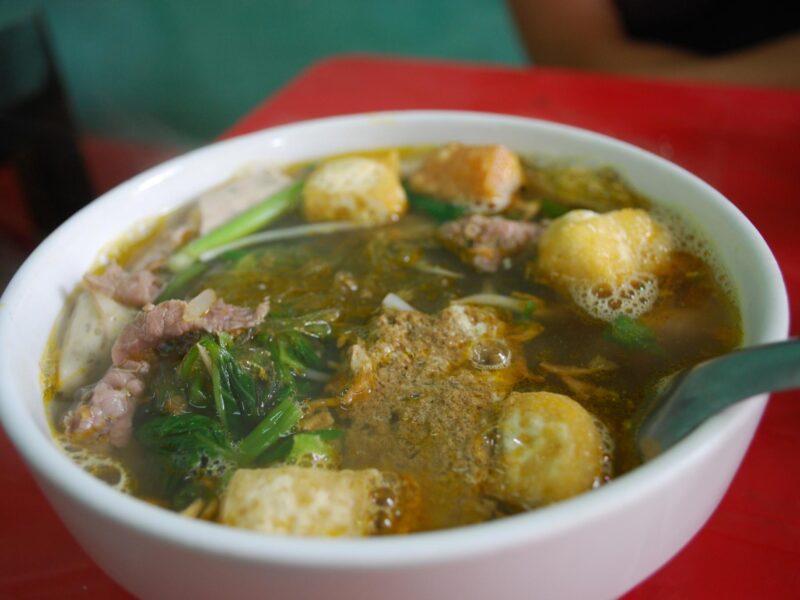
How to order at a night market without a menu
Point, count, pay: the four-step method that works from Taipei to Marrakesh, plus the phrases worth learning first.

The north’s fermentation revival
Preservation was a necessity, then a curiosity, and is now the defining technique of Nordic cooking. Where to eat it, and how…
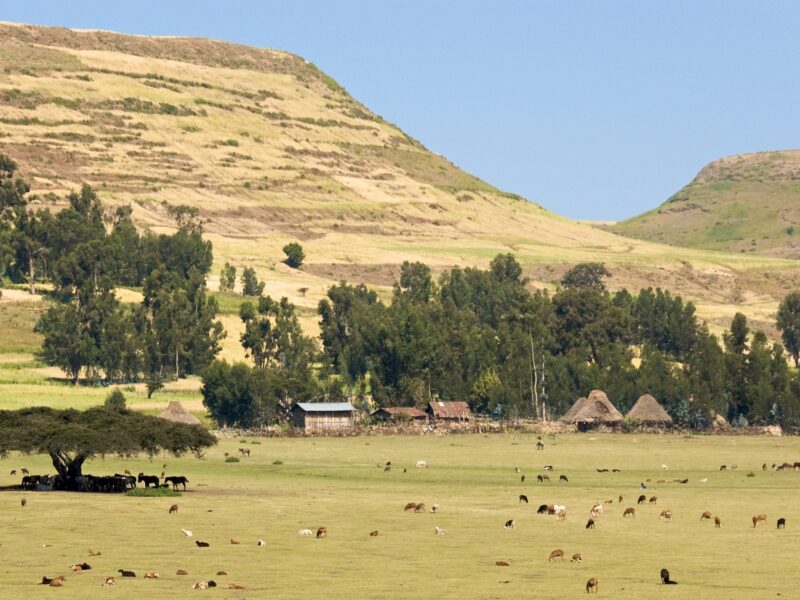
Six coffee rituals worth rearranging your morning for
From an Ethiopian jebena ceremony to a Neapolitan caffè sospeso, the customs that make the drink about something other than caffeine.