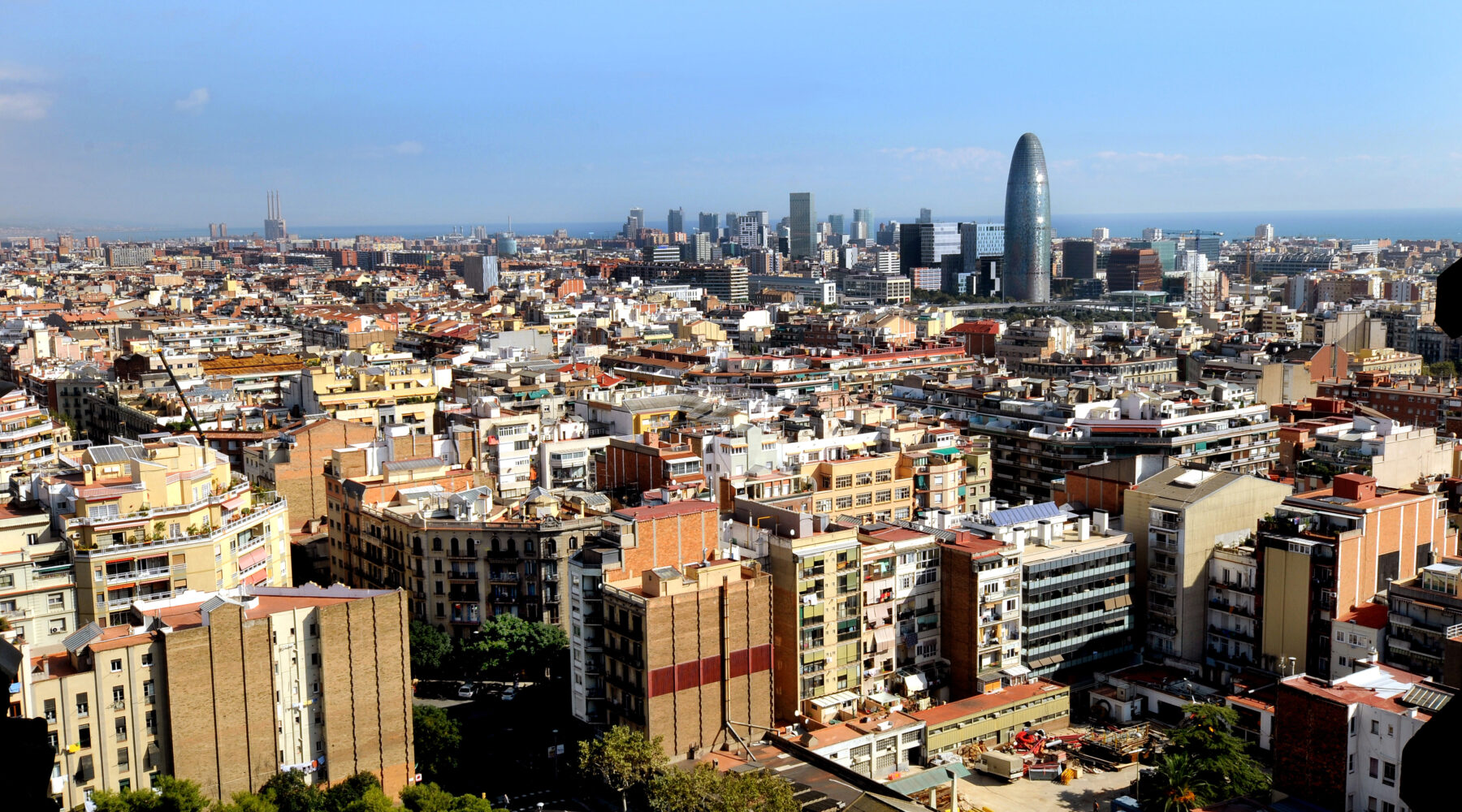
The fifteen-minute city, tested on foot
Paris, Barcelona and Milan have redrawn streets around walking. What it feels like as a visitor, three years in.
touriza · August 29, 2026 · 1 min read
The planning idea is simple: most daily needs within a fifteen-minute walk or cycle. The visible consequences — removed parking, widened pavements, school streets closed to traffic — have been among the most contested urban changes in Europe.
Barcelona's superblocks are the most-studied version. Traffic is routed around groups of nine blocks, and the interior streets become mixed space with planting, benches and play areas. Measured air quality and noise have both improved inside them.
Paris has taken a different route, converting riverbank expressways and adding around a thousand kilometres of cycle lane. For a visitor the practical effect is that cycling across the city is now a reasonable default rather than an act of courage.
Milan's version is quieter and mostly about school streets and thirty-kilometre zones, which is a reminder that the most effective interventions are often the least photogenic.
Whether any of this reduces overall car use is still argued over, and the local politics are genuinely divided. But as someone arriving for four days, the difference is unambiguous: these cities are markedly more pleasant on foot than they were a decade ago.

touriza
Writes for Touriza.
Comments
Reviews and replies are open to members. It takes a minute to join and you will get a confirmation email.
Read next

How to choose a seat without paying for it
Seat fees are now the second-largest ancillary revenue line for most carriers. A few structural facts still let you avoid them.
Who repairs a medina?
In Fez, Jeddah and Cairo, the money for restoration increasingly comes from tourism. That solves one problem and creates another.
What reef recovery actually looks like
Coral restoration has become a tourism product. Some of it is meaningful science and some of it is decoration. How to tell…