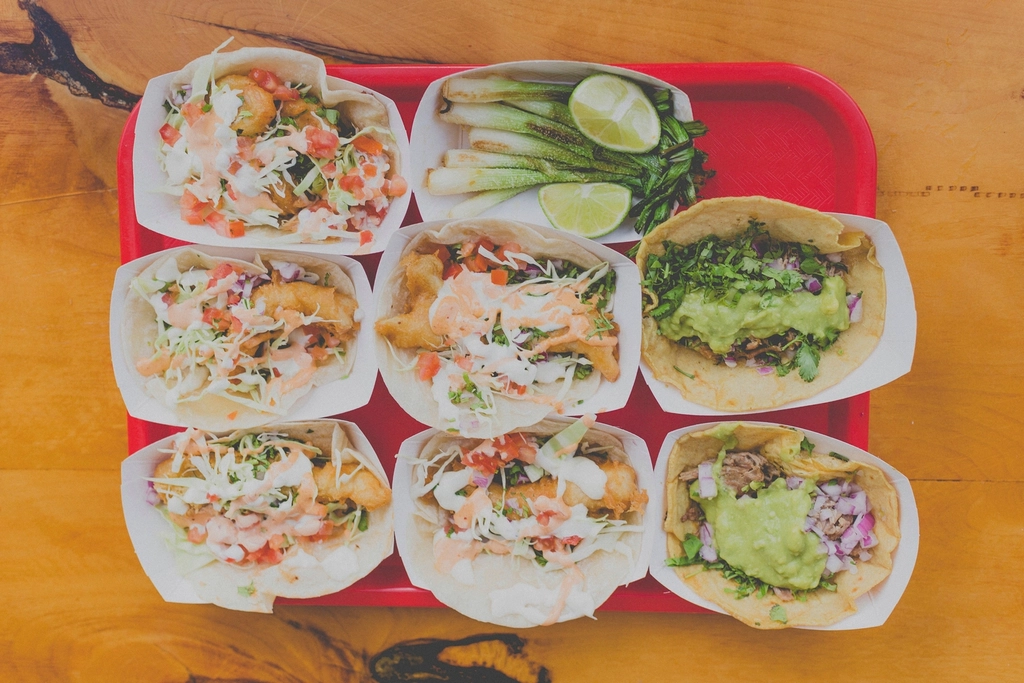
Seven moles and the Oaxaca market that teaches them
Negro, rojo, coloradito, verde, amarillo, chichilo, manchamanteles — a working guide to Mexico's most demanding sauce family.
touriza · August 31, 2026 · 1 min read
Mole is not a recipe but a category, and Oaxaca's seven are the most-cited members of it. What they share is a technique: dry-toast, fry, grind, then cook the paste in fat before letting it down with stock over an hour or more.
Mole negro is the showpiece, built on chilhuacle negro chillies toasted until they are genuinely black, plus charred tortilla, plantain, nuts and a small amount of chocolate that works as a seasoning rather than a flavour.
The everyday one is amarillo, which is quicker, lighter, thickened with masa and served with vegetables as often as meat. Verde is made fresh and eaten the same day; it does not keep and is not supposed to.
The Central de Abastos in Oaxaca city is where to see the whole system: chilli stalls sorted by variety and heat, mills that will grind your paste while you wait, and cooks buying in quantities that assume a family of twelve.
If you cook one at home, start with coloradito. It has fewer than twenty ingredients, forgives an imprecise grind, and demonstrates the essential move — frying the paste — better than the more famous negro.

touriza
Writes for Touriza.
Comments
Reviews and replies are open to members. It takes a minute to join and you will get a confirmation email.
Read next
How to order at a night market without a menu
Point, count, pay: the four-step method that works from Taipei to Marrakesh, plus the phrases worth learning first.

The north’s fermentation revival
Preservation was a necessity, then a curiosity, and is now the defining technique of Nordic cooking. Where to eat it, and how…
Six coffee rituals worth rearranging your morning for
From an Ethiopian jebena ceremony to a Neapolitan caffè sospeso, the customs that make the drink about something other than caffeine.