The quiet spread of the visitor cap
From Venice's day-tripper fee to Machu Picchu's timed circuits, limits are becoming the default tool. They work — but only when the money goes somewhere visible.
touriza · August 14, 2026 · 1 min read
A decade ago the phrase 'visitor cap' belonged to a handful of fragile ecosystems: the Galápagos, Lord Howe Island, a few Antarctic landing sites. It is now a mainstream instrument of urban policy.
Venice's access fee for day visitors, the timed circuits at Machu Picchu, Amsterdam's cruise-berth reduction and the Balearic limits on new tourist beds all belong to the same family of measure. So does the Faroe Islands' habit of closing to visitors for a weekend each year while volunteers repair paths.
The evidence on whether these tools work is mixed, and mostly it turns on a single variable: whether residents can see where the money goes. Caps framed as revenue collection generate resentment on both sides. Caps framed as maintenance — this fee repaired that path, funded that bus, restored that wall — hold up far better in local politics.
There is also a displacement problem nobody has solved. Limit numbers at one site and the coaches go to the next town along, which typically has less infrastructure and no cap at all. Regional coordination is the obvious answer and the rarest one.
For travellers the implications are practical. Book earlier than you used to. Expect timed entry at any site that has appeared on a 'best of' list in the last five years. And take the shoulder-season argument seriously: the same place in early May is often a better experience than in July, at half the cost.

touriza
Writes for Touriza.
Comments
Reviews and replies are open to members. It takes a minute to join and you will get a confirmation email.
Read next
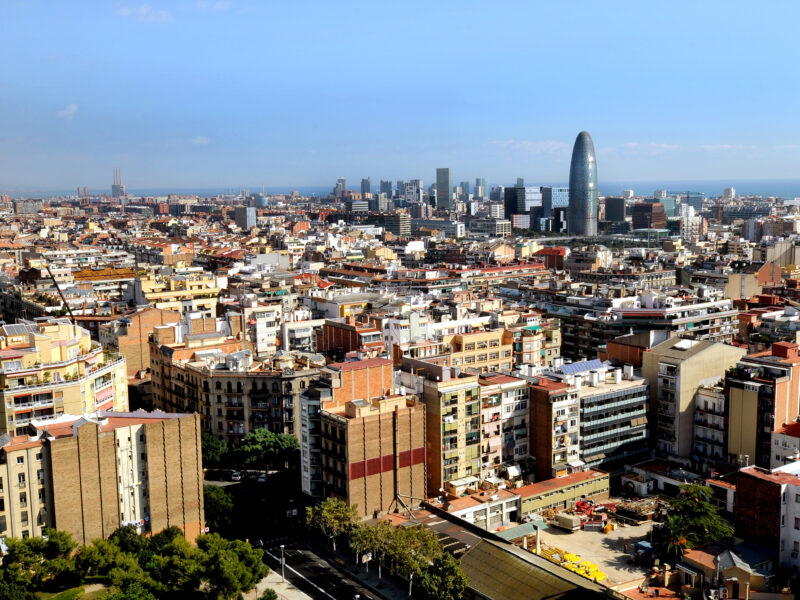
The fifteen-minute city, tested on foot
Paris, Barcelona and Milan have redrawn streets around walking. What it feels like as a visitor, three years in.
How to choose a seat without paying for it
Seat fees are now the second-largest ancillary revenue line for most carriers. A few structural facts still let you avoid them.

Who repairs a medina?
In Fez, Jeddah and Cairo, the money for restoration increasingly comes from tourism. That solves one problem and creates another.