Why half of northern Europe is now swimming in January
Sea pools, saunas and a habit that went from eccentricity to civic infrastructure in about five years.
touriza · August 16, 2026 · 1 min read
The sight of forty people queuing at seven in the morning to get into four-degree water would have been odd in 2015. It is now unremarkable from Copenhagen to Cornwall, and increasingly built into how coastal towns present themselves.
Some of this is a wellness fashion with thin evidence behind the more ambitious claims. But the durable part is social: cold-water swimming is one of the few outdoor activities that is free, requires no skill, and works better with company.
Municipalities have noticed. Sea pools closed as liability risks in the 1990s are being restored; harbour baths in Scandinavian cities are now standard civic amenities; and small Irish and Scottish towns have added changing shelters and winter sauna huts as a deliberate off-season draw.
For visitors the etiquette is simple and worth learning. Ask before joining a regular group, never swim alone in the sea in winter, get out before you stop shivering rather than after, and bring more layers than you think you need for afterwards.
The travel consequence is that a coastal town in February is now a plausible short break rather than a mistake. For places that historically shut from October, that changes the whole arithmetic.

touriza
Writes for Touriza.
Comments
Reviews and replies are open to members. It takes a minute to join and you will get a confirmation email.
Read next
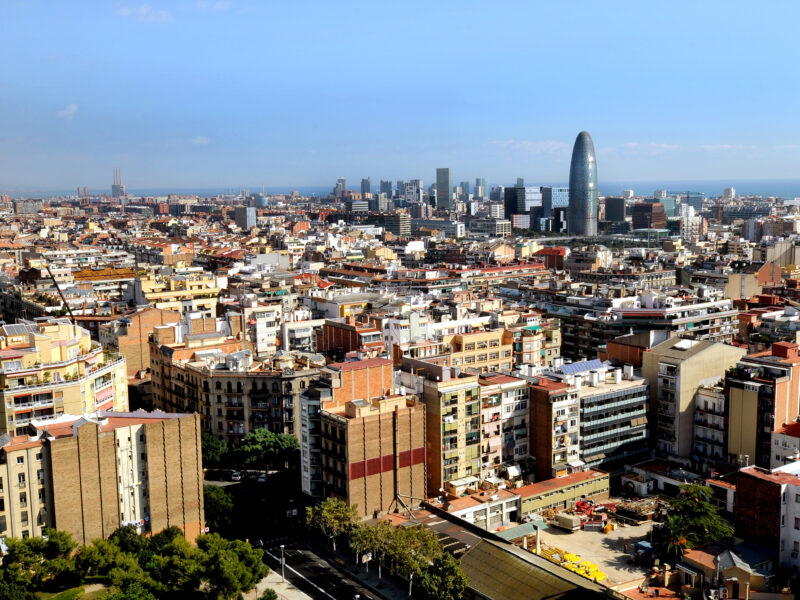
The fifteen-minute city, tested on foot
Paris, Barcelona and Milan have redrawn streets around walking. What it feels like as a visitor, three years in.

How to choose a seat without paying for it
Seat fees are now the second-largest ancillary revenue line for most carriers. A few structural facts still let you avoid them.

Who repairs a medina?
In Fez, Jeddah and Cairo, the money for restoration increasingly comes from tourism. That solves one problem and creates another.