The conservancy model that changed the safari
In Kenya's Mara and Laikipia, land leased from Maasai and Samburu families now protects more habitat than the national parks. Here's how it works, and how to book it well.
touriza · August 18, 2026 · 1 min read
A conservancy is, at its simplest, a lease. Landowning families agree to keep an area free of settlement and livestock fencing; a small number of camps pay a per-hectare rent, and the money goes directly to the households on the title deed.
The model spread through Kenya's Mara ecosystem from the mid-2000s and now covers a larger area than the Maasai Mara National Reserve itself. Laikipia, further north, developed a parallel version around rhino conservation and Samburu rangelands.
For the traveller the differences are immediately visible. Conservancies cap vehicle numbers per sighting — usually five, sometimes three — and permit night drives and walking safaris that the reserve does not. The result is a quieter, slower experience that costs more per night and is generally worth it.
The model is not without strain. Lease payments depend on occupancy, which collapses in a crisis; the pandemic exposed how thin those margins are. Several conservancies have since diversified into carbon and livestock-marketing schemes to reduce the dependence on tourist beds.
If you are booking, ask three questions: what proportion of the bed-night fee reaches landowners, how many vehicles are permitted per sighting, and whether the camp employs from the surrounding group ranches. Good operators answer all three without hesitating.

touriza
Writes for Touriza.
Comments
Reviews and replies are open to members. It takes a minute to join and you will get a confirmation email.
Read next
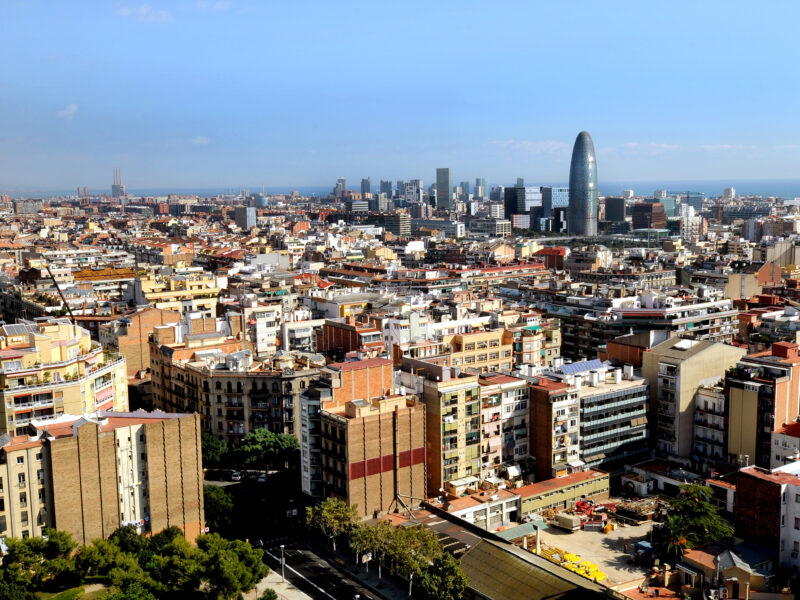
The fifteen-minute city, tested on foot
Paris, Barcelona and Milan have redrawn streets around walking. What it feels like as a visitor, three years in.
How to choose a seat without paying for it
Seat fees are now the second-largest ancillary revenue line for most carriers. A few structural facts still let you avoid them.
Who repairs a medina?
In Fez, Jeddah and Cairo, the money for restoration increasingly comes from tourism. That solves one problem and creates another.