Where to find a genuinely dark sky
Light pollution now reaches 80% of the world's population. These are the reserves, seasons and simple techniques that still deliver a full Milky Way.
touriza · August 21, 2026 · 1 min read
A truly dark sky — Bortle class 1 or 2 — is now rarer than most wilderness. Roughly a third of humanity cannot see the Milky Way from home, and in Europe and North America that figure is far higher.
The formal dark sky reserves are the reliable starting point: Aoraki Mackenzie in New Zealand, NamibRand in Namibia, the Alqueva reserve in Portugal's Alentejo, and Exmoor or Galloway for a European option that does not require a long-haul flight.
Timing matters more than location for most people. Aim for the week either side of a new moon, check astronomical rather than civil twilight, and give your eyes a genuine forty minutes to adapt — which means no phone screen, or a red filter if you must.
The southern hemisphere has the better half of the galaxy. The galactic core sits highest in southern winter, which is why Namibia and the Atacama between May and September remain the reference-grade options.
Bring less equipment than you expect to need. A pair of 10×50 binoculars resolves the Orion nebula and four Jovian moons, weighs almost nothing, and will show you more in an hour than a telescope you are still assembling at midnight.

touriza
Writes for Touriza.
Comments
Reviews and replies are open to members. It takes a minute to join and you will get a confirmation email.
Read next
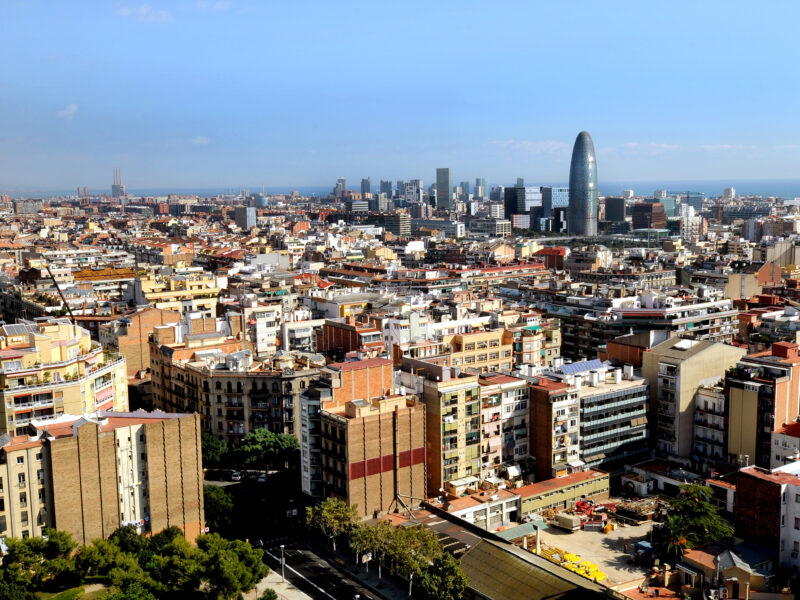
The fifteen-minute city, tested on foot
Paris, Barcelona and Milan have redrawn streets around walking. What it feels like as a visitor, three years in.
How to choose a seat without paying for it
Seat fees are now the second-largest ancillary revenue line for most carriers. A few structural facts still let you avoid them.

Who repairs a medina?
In Fez, Jeddah and Cairo, the money for restoration increasingly comes from tourism. That solves one problem and creates another.