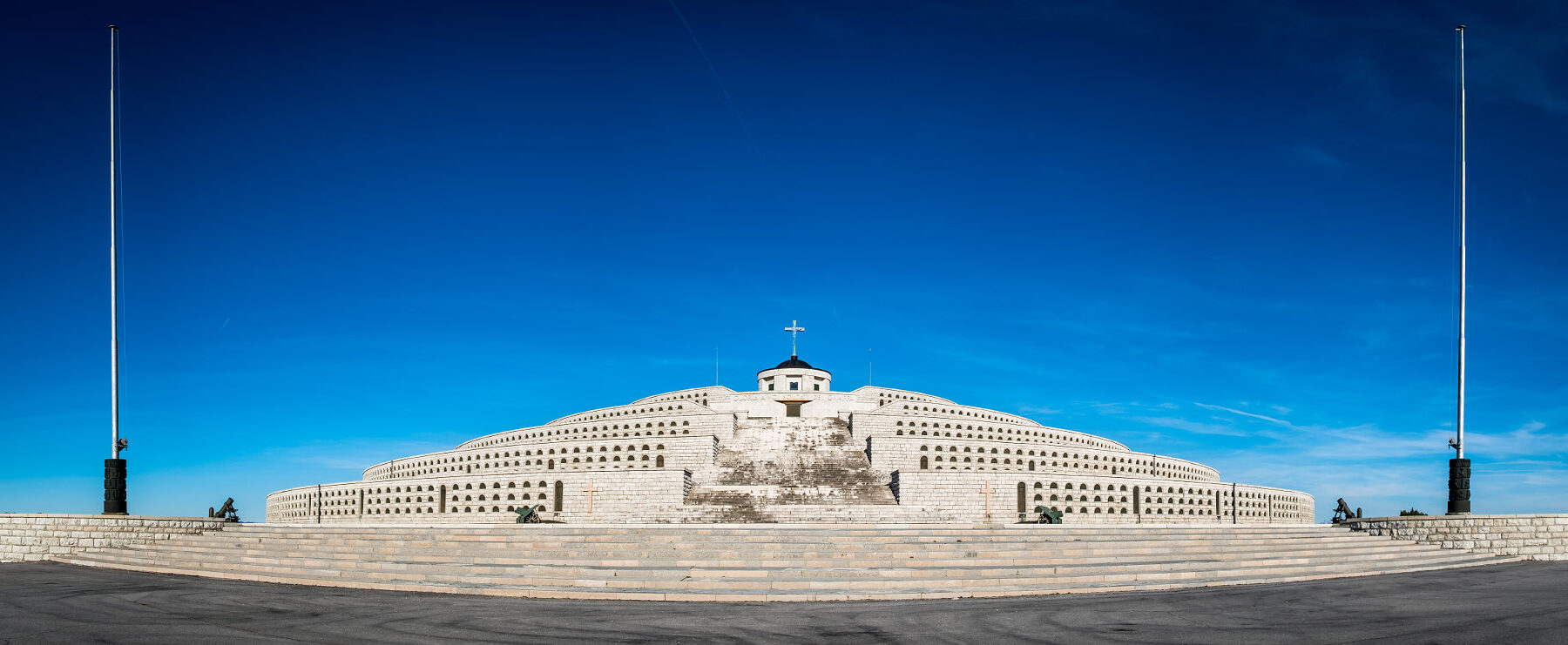
The case for going in November
Lower prices, shorter queues and a version of the city its residents actually recognise. What you give up, and what you get.
touriza · August 22, 2026 · 1 min read
Shoulder season used to mean May and September. Demand has since flattened those months out, and the genuine off-peak in most European cities now runs from November through mid-March, minus the Christmas market weeks.
The arithmetic is straightforward. Hotel rates in Rome, Lisbon and Prague fall by a third or more; museum slots that require booking six weeks ahead in July are available the same morning; and restaurants that will not seat two people without a reservation in summer have space at eight.
What you lose is daylight and terrace weather. In practice this reshapes the day rather than ruining it — galleries in the afternoon, an early dinner, and the acceptance that you will not be sitting outside for three hours.
There is a second, less-discussed benefit. Off-season is when residents get their city back, which means the queue in the bakery is a local queue and the person serving you has time to talk. That is the version of a place worth travelling for.
The exception is anywhere whose appeal is specifically outdoor and seasonal: coastal Greece in January is closed rather than quiet. Check whether the ferries run before you book anything.

touriza
Writes for Touriza.
Comments
Reviews and replies are open to members. It takes a minute to join and you will get a confirmation email.
Read next
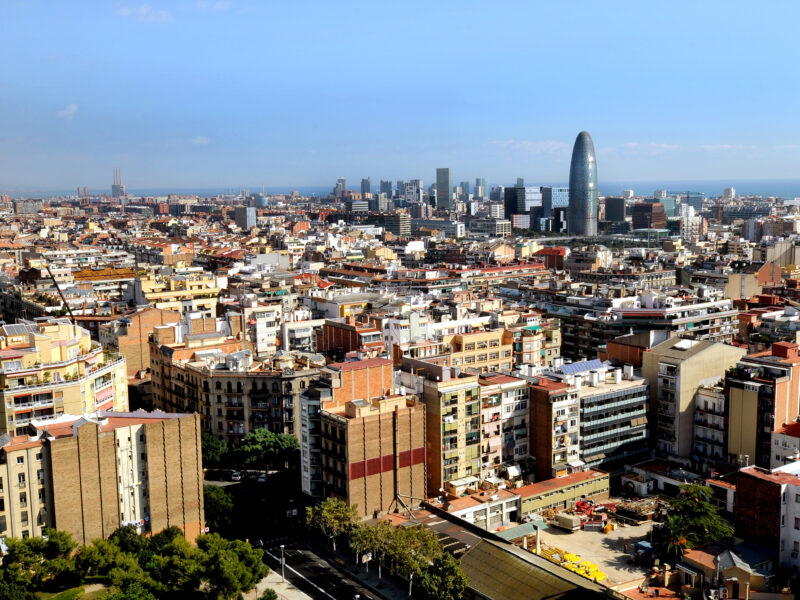
The fifteen-minute city, tested on foot
Paris, Barcelona and Milan have redrawn streets around walking. What it feels like as a visitor, three years in.

How to choose a seat without paying for it
Seat fees are now the second-largest ancillary revenue line for most carriers. A few structural facts still let you avoid them.

Who repairs a medina?
In Fez, Jeddah and Cairo, the money for restoration increasingly comes from tourism. That solves one problem and creates another.